
Aurora Estate Documents and Filings
Aurora spans parts of three counties in Colorado. Most of the city sits in Arapahoe County. Some areas extend into Adams and Douglas counties. This affects where residents file probate cases. You must use the county court for your address. Check your property records to confirm your county.
Where Aurora Residents File Probate Cases
Most Aurora residents file with Arapahoe County Combined Court. This court is at 7325 S Potomac Street in Centennial. It handles all probate matters for Arapahoe County residents. The court maintains estate records from the 1980s forward. You can access these records in person. Online options are also available.
The Arapahoe County Combined Court processes estate filings. They handle wills and inventories. Guardianship cases go here too. The court phone is 303-645-6600. You can call with questions about procedures. Staff can explain the filing process. They help with forms and requirements.
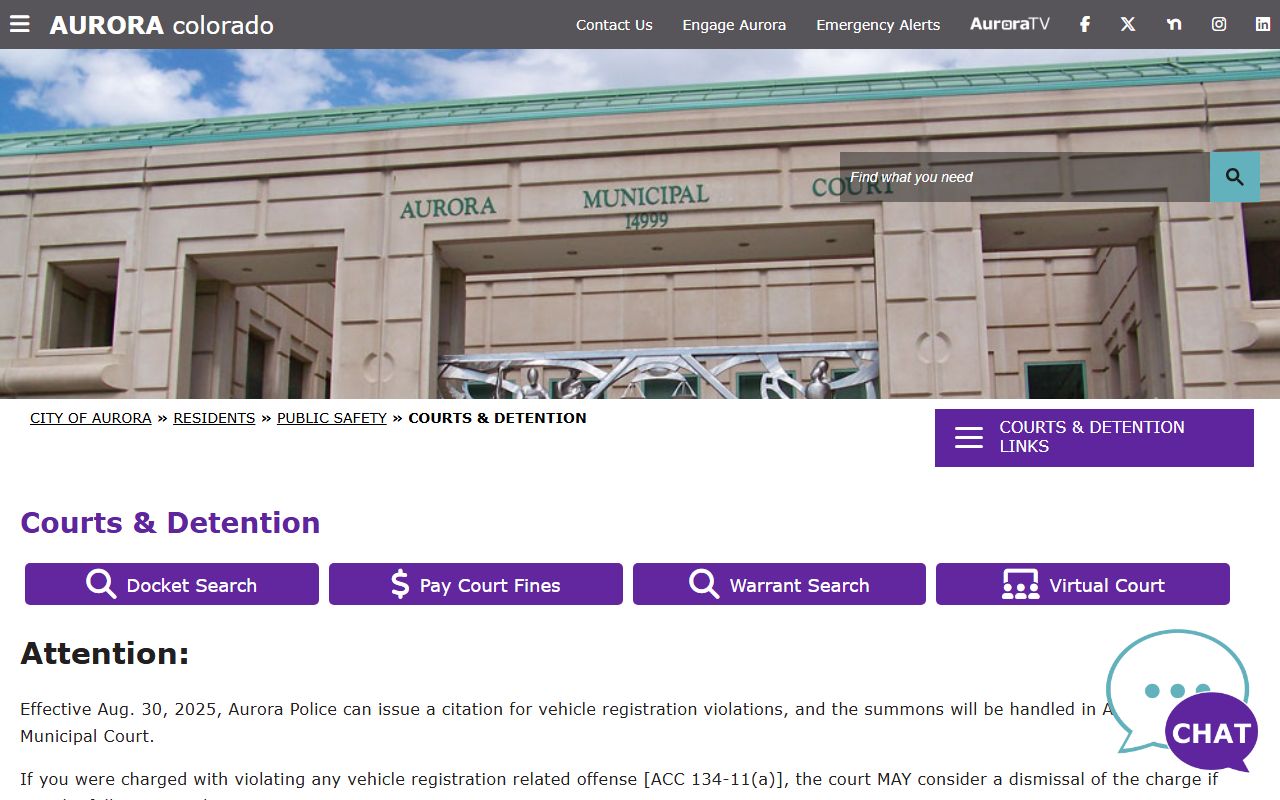
Visit the Aurora Courts and Detention page for information about municipal court services.
Some Aurora addresses are in Adams County. These residents use the Adams County Justice Center. The address is 1100 Judicial Center Drive in Brighton. The phone is 303-659-1161. Check your address carefully. County boundaries can be confusing. Use the county assessor website to verify.
A small portion of Aurora is in Douglas County. These residents file at the Douglas County Courthouse. The courthouse is at 4000 Justice Way in Castle Rock. The phone is 720-437-6200. Douglas County cases are separate from Arapahoe. Each county has its own procedures. Fees may vary between counties.
Aurora Probate Record Types Available
Estate probate files document asset distribution. They show who inherits property. Creditors can review claims. The public can access most records. Wills become public after death. Inventories list all assets. Accountings track money flow. Final orders close the estate.
Informal probate is faster and cheaper. The court appoints a personal representative. No hearing is needed. The representative collects assets. They pay debts and taxes. Then they distribute the remainder. Most estates use this method. It works when there are no disputes.
Formal probate involves court supervision. Hearings address problems. Judges resolve conflicts. This takes more time. It costs more money. Some estates require this method. Contested wills need formal probate. Minor heirs may require it too. The court protects vulnerable parties.
Guardianship records protect those who cannot care for themselves. Children without parents need guardians. Adults with disabilities need help. The court appoints someone responsible. Annual reports are required. The court monitors the situation. Records show the care provided.
How to Access Aurora Area Probate Records
The Colorado Judicial Branch offers online tools. The statewide docket search is free. You can look up cases by name. The search shows basic information. You can see filing dates. Case status is displayed. Party names are listed. But you cannot see actual documents online.
To get copies, use the records request form. Submit it online through the Judicial Branch website. Include the case number if known. Add the name of the deceased. Include the county where filed. Most requests take three business days. You will receive an email response.
In-person visits allow immediate access. Go to the Clerk of Court office. Bring valid identification. You can view files for free. Copies cost $0.25 per page. Certified copies are $20 each. Bring payment with you. Research fees apply for complex searches.
What to Expect When Filing Probate in Aurora
Probate begins after someone dies. You must wait 120 hours. This is five days minimum. Then you can file the petition. Bring the original will. File a death certificate. Pay the filing fee. The court reviews your documents. They appoint a personal representative.
The personal representative has duties. They must notify creditors. They collect all assets. They pay valid debts. They file tax returns. Then they distribute property. The court supervises this process. Regular reports are filed. The estate closes when all tasks are done.
Time frames vary by estate. Simple cases finish in months. Complex cases take years. Disputes cause delays. Large estates need more time. Tax issues slow things down. The personal representative must be patient. They should keep good records.
Aurora Multi-County Probate Considerations
Aurora's location across three counties creates unique challenges. Residents must know their correct county. This affects where they file probate. It determines which courthouse to visit. Phone numbers differ between counties. Procedures are mostly the same. But locations vary.
Verify your county before filing. Check your property tax records. Look at your voter registration. Contact the county assessor if unsure. Wrong filings cause delays. Staff may reject incorrect filings. This wastes time and money. Always verify first.
The three counties coordinate on some matters. But probate cases stay separate. Each county maintains its own records. You cannot transfer cases between counties. File in the correct county from the start. This ensures proper processing. It avoids complications later.