
Boulder Estate Records and Wills
Boulder is home to the University of Colorado and a thriving community. The city sits at the base of the Flatiron Mountains. Boulder County serves the legal needs of residents. Probate cases are filed at the county level. The Boulder Municipal Court does not handle estates. Residents must use the county system for probate matters.
Where Boulder Residents Access Probate Records
Boulder County Combined Court handles all probate matters. The courthouse is at 1777 6th Street in Boulder. This is the main location for estate filings. The court has a dedicated probate division. Staff there specialize in estate cases. They can answer procedural questions. The phone number is 303-441-3750.
The Boulder County Combined Court maintains comprehensive records. You can find wills and inventories. Accountings show how estates are managed. Guardianship records are on file. Conservatorship cases are tracked. All records from the 1980s forward are available. Older records may be at the State Archives.
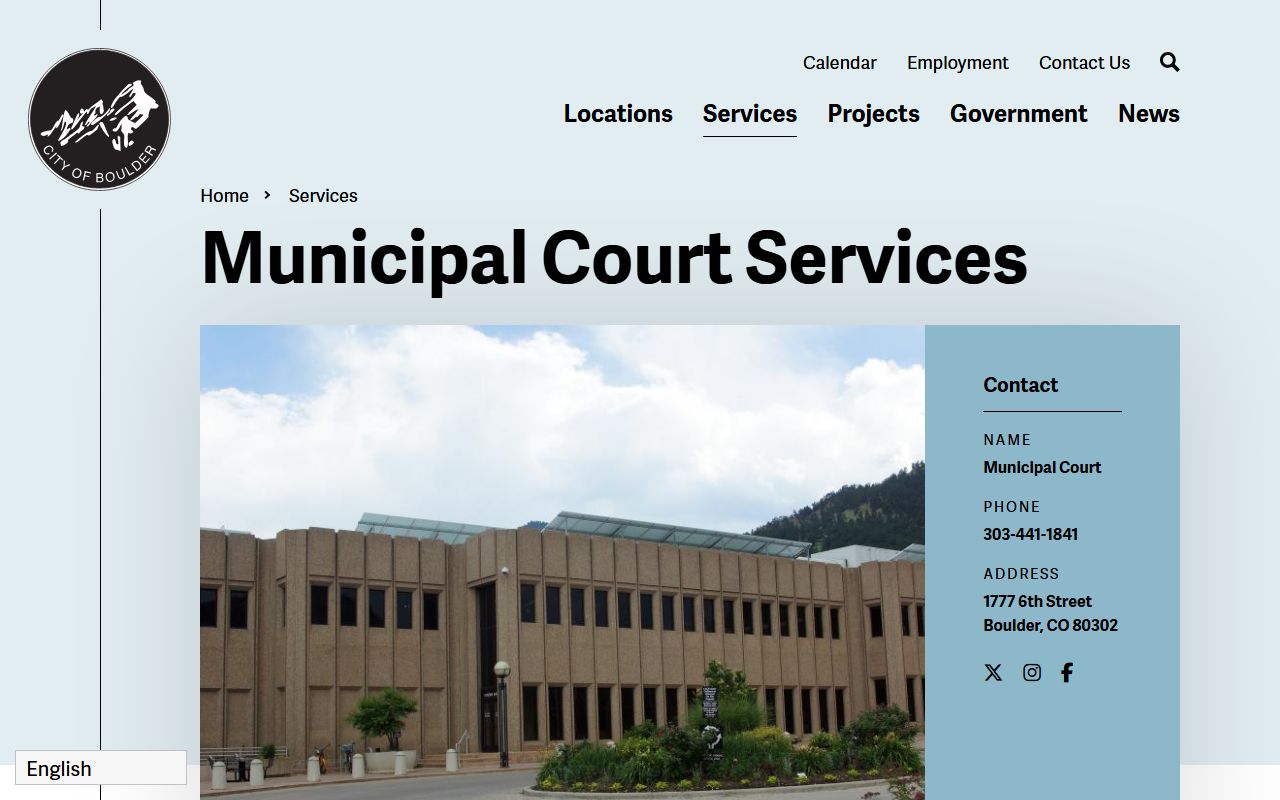
The Boulder Municipal Court provides services for local violations but refers probate cases to Boulder County.
Boulder Municipal Court operates separately. It is located at 1777 6th Street as well. However, it handles different matters. Traffic violations go here. Municipal code violations are processed. Local ordinance issues are resolved. Do not file probate cases here. Staff will redirect you to the county.
The court offers public access terminals. These are in the courthouse lobby. You can search case information for free. Basic details are displayed. You can see party names. Filing dates are shown. Case status is updated. But you cannot view document images. For that, you need staff assistance.
Boulder Probate Record Categories
Estate probate is the standard process. A personal representative manages the estate. They gather all assets. They pay debts and taxes. Then they distribute to heirs. The court supervises this work. Reports are filed periodically. The estate closes with a final accounting.
Informal probate works for simple estates. No court hearings are required. The will is not contested. All heirs agree on distribution. The process moves quickly. Costs are lower than formal probate. Most Boulder estates qualify for this method.
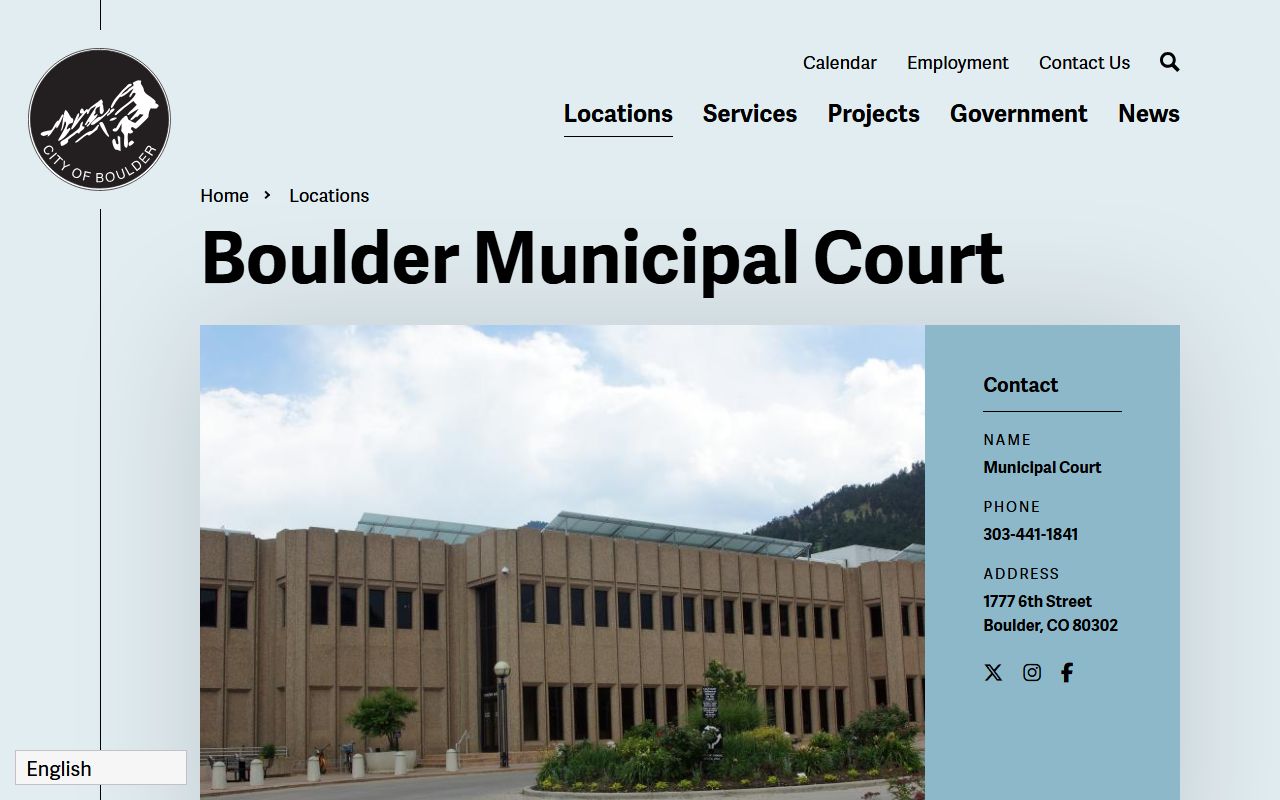
Find the Boulder Municipal Court location for local court matters.
Formal probate requires court involvement. Judges review each step. Hearings address disputes. This protects all parties. It takes more time. It costs more money. Some situations require formal probate. Minor heirs need this protection. Contested wills use this process.
Guardianship and conservatorship protect vulnerable people. Guardians make personal decisions. Conservators handle finances. Both roles require court approval. Annual reports are mandatory. The court monitors care quality. Records track all decisions. Family members can review filings.
How to Request Boulder Probate Documents
Online requests are the most convenient method. The Colorado Judicial Branch website hosts the records request form. Fill in all required fields. Provide the case number if you know it. Include full names and dates. Submit the form electronically. Most responses come within three days.
Visiting in person offers immediate results. The Clerk's office is open weekdays. Hours are 8:00 AM to 4:30 PM. Bring a photo ID. You can view files at no charge. Copies cost $0.25 per page. Certified copies are $20 each. Staff can help locate files. They accept multiple payment types.
Mail requests work for those who cannot visit. Send a letter to the Clerk of Court. Include case details and names. Enclose payment for fees. Allow two weeks for processing. Include your contact information. Mark the envelope "Attention: Probate Division." This ensures proper routing.
Boulder County Probate Resources
Boulder County offers several support services. The court has self-help materials. Forms are available online. Instructions guide you through filing. The State Archives holds older records. Cases from before 1985 may be there. You can search their database online.
The Colorado Bar Association provides referrals. They can connect you with probate attorneys. Legal aid may be available. Some residents qualify for reduced fees. The court cannot give legal advice. You must consult an attorney for that. They can explain your rights.
Boulder Historical Probate Records
Boulder County has a long history. The county was founded in 1861. Early probate records exist from that era. These historical documents are valuable. They show how early settlers lived. They document property ownership. They reveal family relationships.
The Colorado State Archives holds old Boulder records. Cases from 1874 through the 1980s are there. You can search their database online. Enter names to find cases. Note the case numbers. Contact the Archives for copies. Older records may take time to retrieve.
Modern records stay at the courthouse. Cases from the 1980s forward are there. The courthouse has modern facilities. Climate control preserves documents. Digital systems help locate files. Both old and new records are important. They serve different research needs.