
Pueblo Probate Case Access
Pueblo is a home rule municipality and the county seat of Pueblo County. The city has about 112,000 residents. It is one of Colorado's largest cities. Pueblo County Combined Court handles all probate matters. This court serves city residents and the entire county. You can find estate records, wills, and guardianship documents there.
Pueblo Quick Facts
Pueblo Probate Records Location
Pueblo is unique among Colorado cities. As the county seat, it hosts the Pueblo County Combined Court. This court handles all probate matters. City residents file estate cases here. So do residents from across the county.
The Pueblo County Combined Court is at 100 West 3rd Street. The court handles estate probate and guardianships. It also processes conservatorships. You can file new cases here. You can search existing records. The Clerk of Court manages all probate files. Office hours are Monday through Friday, 8:00 AM to 4:30 PM.
Pueblo operates a Municipal Court. It handles city code violations. It processes traffic tickets and minor offenses. The Municipal Court does not handle probate. Estate matters always go to the Combined Court. These are separate court systems.
The Pueblo Municipal Court handles city violations and traffic matters, not probate cases.
The city offers online court payment services. This covers municipal court fines. It does not cover county court matters. Probate filing fees are separate. They are paid at the Combined Court.
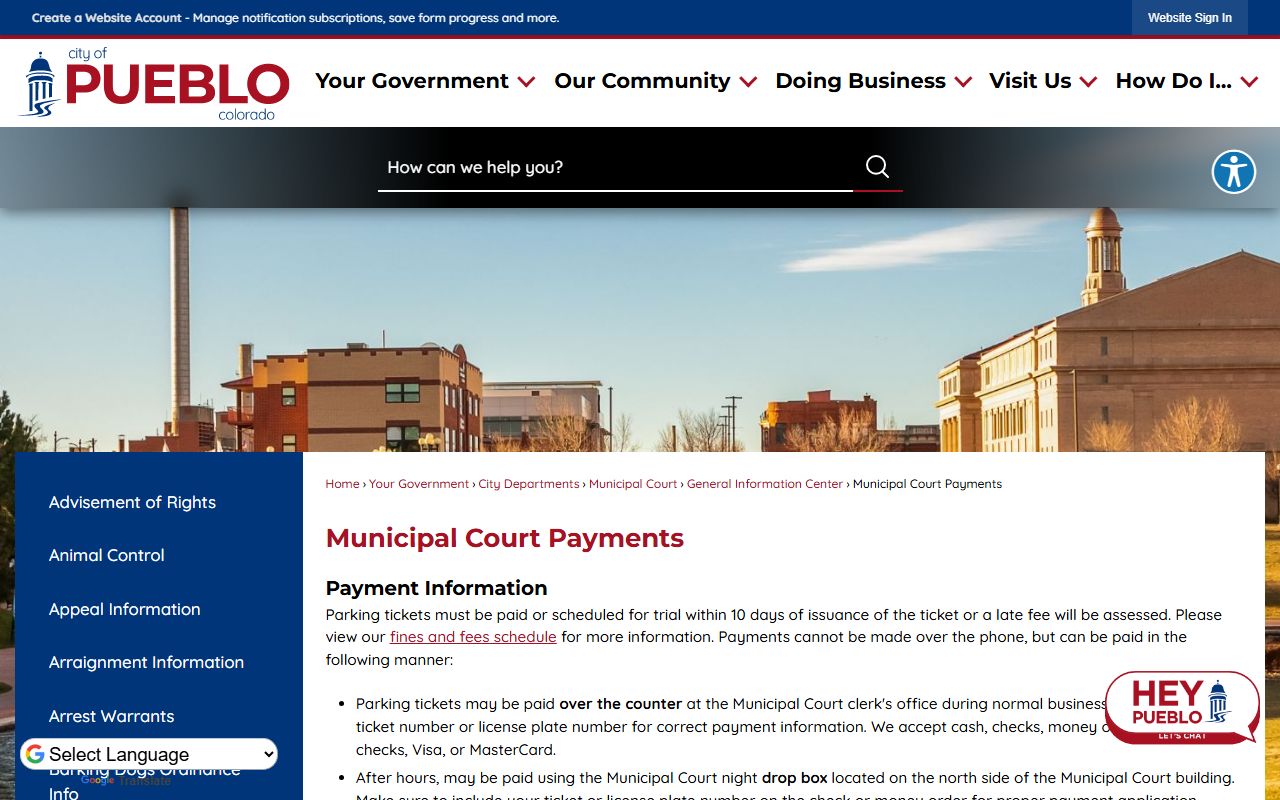
Access the Municipal Court payment portal for city citations and fines.
How to Search Pueblo Probate Records
Pueblo residents can search probate records through several methods. The court provides multiple access options. Choose the one that fits your needs.
The statewide docket search is free. It covers all Colorado courts. You can search by name or case number. Find basic case information quickly. See filing dates and current status. Document images are not available. Request those from the court. Access the tool at coloradojudicial.gov/dockets.
Third-party vendors offer enhanced searches. LexisNexis operates Colorado Courts. Their site is cocourts.com. They charge fees for access. Their database may have more details. But they cannot issue certified copies. Only the court can do that.
Historical records are at the State Archives. They hold probate files from before 1985. Search their online database by name. If you find a Pueblo case, contact them. They will explain the copy process. Older records may take time to locate.
Pueblo Probate Document Types
The Pueblo County Combined Court maintains various probate records. Each type serves a specific legal purpose. Understanding them helps your search.
Estate probate records are most common. These document the settlement of estates. Files include wills and codicils. You will find asset inventories. Creditor claims are included. Final accountings show distributions. Most of these records are public.
Informal probate is simplified. The court appoints a personal representative. No hearings are required. This works for uncontested estates. Formal probate involves hearings. The court actively supervises the process. Both types create permanent records.
Guardianship records protect vulnerable individuals. A guardian makes personal decisions. These cases involve minors or incapacitated adults. Medical reports are in the file. Court orders show appointments. Access is restricted for privacy reasons.
Conservatorship records manage finances. A conservator handles money and property. These cases have detailed financial reports. Accountings show income and expenses. Like guardianships, access is limited. The court protects the protected person's privacy.
Pueblo Probate Filing Steps
Filing for probate in Pueblo follows state law. The process takes place at the Combined Court. Understanding the steps makes it easier.
First, observe the waiting period. Colorado requires five days after death. This is 120 hours minimum. No one can file before this. Creditors must wait 45 days. These rules protect all parties.
Next, prepare your documents. You need the original will. A death certificate is required. You need a list of heirs. An inventory of assets is helpful. File these with a petition. Pay the filing fee at the court. Current fees are listed at coloradojudicial.gov/self-help/list-fees.
The court reviews your filing. They appoint a personal representative if approved. This person manages the estate. They collect assets and pay debts. They distribute property to heirs. All actions are recorded in the case file.
Get Pueblo Probate Record Copies
Requesting copies of probate records is straightforward. The Combined Court accepts requests in several ways.
Online requests are often fastest. Use the Judicial Branch records request form. Enter case details and your contact info. Most requests are processed in three days. You will receive copies electronically or by mail. Access the form at coloradojudicial.gov/recorddocument-request-form.
In-person visits offer immediate access. Go to the Combined Court downtown. The Clerk of Court office is inside. Staff can help you locate files. View documents and get copies right away. Bring photo ID and payment.
Mail requests work for non-urgent needs. Send a letter to the Clerk of Court. Include all case information. Enclose payment for copies. Allow two to three weeks. Mail to 100 West 3rd Street, Pueblo, CO 81003.
Pueblo County Probate Records
Pueblo is the county seat and largest city of Pueblo County. The Combined Court serves all county residents. For more information about court procedures, fees, and records access, visit the Pueblo County probate records page.