
Louisville Estate and Probate Files
Louisville residents file probate cases with Boulder County District Court. The city sits in the northern part of Boulder County. It has about 21,000 residents. All estate matters go through the county court system. You can find wills, estate inventories, and guardianship records there. The process is the same for all cities in Boulder County.
Louisville Quick Facts
Louisville Probate Records Location
Louisville does not have its own probate court. The city is part of Boulder County. All probate filings go to the Boulder County Combined Court. This court handles estate cases for all Boulder County residents. That includes Louisville, Boulder, Lafayette, and other towns.
The Boulder County Combined Court is in Boulder. The address is 1777 Sixth Street. This is where you file probate petitions. You can also view case files here. The Clerk of Court manages all probate records. You can call them at 303-441-3750. Office hours are Monday through Friday, 8:00 AM to 4:30 PM.
Louisville has a Municipal Court. But this court only handles city code violations. It does not process probate cases. The Municipal Court deals with traffic tickets and minor offenses. For estate matters, you must use the county District Court. This distinction is important for Louisville residents seeking probate records.
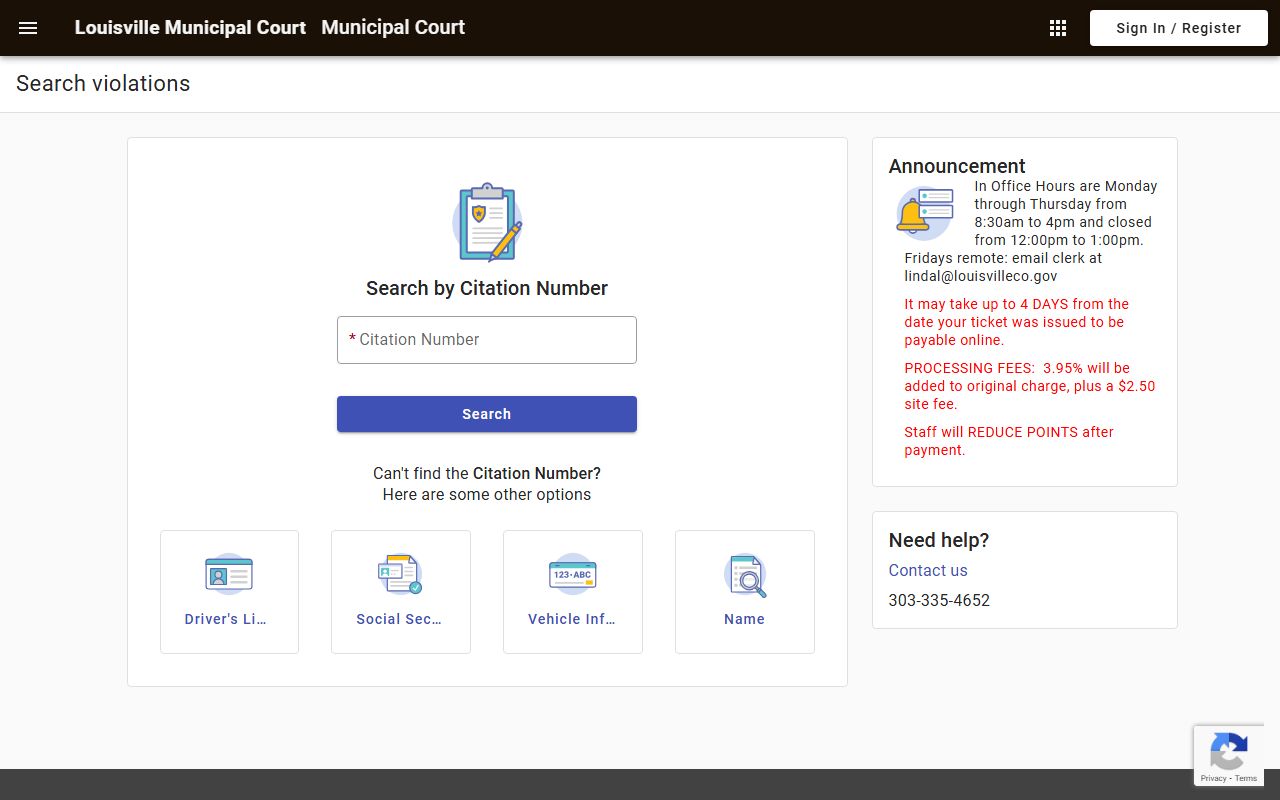
Louisville residents can access the Municipal Court payment portal for city violations, but probate matters go to Boulder County.
To request probate records from Boulder County, you have options. You can visit the courthouse in person. You can submit an online request. You can also mail a written request. Each method has different processing times. In-person visits often give same-day access to view files.
How to Find Louisville Probate Records
Searching for probate records in Louisville requires using Boulder County resources. The Colorado Judicial Branch provides tools to help you find cases. You can search online or contact the court directly. Both methods work well for Louisville cases.
The statewide docket search is a free tool. It covers all Colorado courts. You can search by name or case number. The tool shows basic case information. It lists filing dates and case status. It does not show document images. To see actual documents, you must request copies from the court. You can access this tool at coloradojudicial.gov/dockets.
For older records, check the Colorado State Archives. They hold probate files from before the 1980s. These historical records cover Louisville estates from the early 1900s. You can search their online database. Enter the name of the deceased person. If you find a record, note the case details. Then contact the Archives to request copies.
When searching, have key information ready. You need the full name of the deceased. The date of death helps narrow results. The year of filing is useful too. If you know the case number, searches go faster. Without a case number, the court can search by name for a fee.
Types of Louisville Probate Records
Boulder County maintains several types of probate records for Louisville residents. Each case type serves a different purpose. Understanding these types helps you request the right documents.
Estate probate is the most common filing. When a Louisville resident dies, their estate may need probate. The court oversees asset distribution. Records include the will, if one exists. They also include inventories of property. You will find creditor claims and final accountings. These files show who inherited what.
Guardianship records protect minors or incapacitated adults. A guardian makes personal decisions for someone who cannot make them alone. These records include petitions and medical reports. They also contain court orders appointing the guardian. Access to these files is more restricted than estate records.
Conservatorship records involve financial management. A conservator handles money and property for someone unable to do so. These cases create detailed financial records. They show assets, income, and expenses. Like guardianships, these files have privacy protections.
Small estate affidavits offer a simpler option. When an estate is worth less than $80,000, full probate is not needed. The heir files an affidavit with the court. This creates a record of the transfer. The process is faster and cheaper than formal probate.
Requesting Louisville Probate Documents
Getting copies of probate records requires a formal request. Boulder County accepts requests in several ways. Choose the method that fits your needs and timeline.
The online records request form is often fastest. Visit the Colorado Judicial Branch website. Complete the form with case details. Include names, dates, and case numbers if known. The court processes most requests within three business days. You can access the form at coloradojudicial.gov/recorddocument-request-form.
In-person visits allow same-day service. Go to the Boulder County Combined Court. Visit the Clerk of Court office during business hours. You can view files and request copies on the spot. Bring photo identification. Bring payment for copy fees. Staff can help you locate the right case file.
Mail requests take longer but work for simple needs. Send a letter to the Clerk of Court. Include all details to identify the case. Enclose a check for fees. Allow two to three weeks for processing. The mailing address is 1777 Sixth Street, Boulder, CO 80302.
Are Louisville Probate Records Public
Most probate records are public in Colorado. This includes Louisville cases filed in Boulder County. Anyone can request to view or copy estate files. However, some restrictions apply to protect privacy.
Standard estate probate files are open to the public. You can see wills and inventories. Accountings and distribution orders are available too. These documents show how estates are managed. The public nature ensures transparency. It holds personal representatives accountable.
Guardianship and conservatorship records have more limits. These cases involve vulnerable people. Courts restrict access to protect them. Only parties to the case and their attorneys can view these files freely. Others must petition the court for access. The judge decides whether to grant permission.
You may need to show identification to access certain records. This helps prevent improper disclosure. The court takes privacy seriously. They balance public access with individual protection.
Boulder County Probate Records
Louisville is one of several cities in Boulder County. All probate filings go through the county District Court. The court serves Boulder, Longmont, Lafayette, and other communities. For more details about the court system, filing procedures, and records access, visit the Boulder County probate records page.